from 3 reviews
10 hours
No Cancellation
Unlimited
English, Francais
Dalhousie Dharamshala Amritsar Package Overview
Amritsar derives its name from Amrit Sarovar, built by Guru Ram Das in the village of Tung. It is believed that the water of the lake has healing powers. It is the largest city in Punjab. Amritsar is the centre of Sikhism and it is the holiest and biggest worship place of Sikhs – the most famous being the Harmandir Sahib, or The Golden Temple.
Dharamshala is a spiritual city in the state of Himachal Pradesh. This is a quiet holiday destination as well as an adventure city for trekkers. In Dharamshala you can visit the waterfall and lots of Buddhist monasteries, where you can feel the calmness of the city. It is a mixture of modernization and culture.
Netaji Subhash Chandra Bose was born in Dalhousie, and it is a very beautiful destination in Himachal State. It has Waterfalls, Dense forest, and the Dhauladhar range. This city reminds you of the colonial past and is famous for its pleasant climate and scenic beauty. This tour starts from Chandigarh, takes you through the beautiful views of Shimla and Manali, Dharamshala and then drives back to Chandigarh to end the journey.
Quick information:
Travelling Route:Chandigarh–Amritsar-Dharamshala–Mcleodganj-Dalhousie-Khajjiar-Chandigarh.
Start Point: Chandigarh
End Point Chandigarh
Duration: 06 Nights / 07 Days
How to reach:
By Air: Chandigarh International Airport OR Sri Guru Ram Dass Jee International Airport Amritsar is a feasible option for travelling to Dalhousie as it serves both domestic and international flights from all major cities.
By Rail: Another alternative is Chandigarh Railway Station OR Amritsar Railway Station, which is one through which most trains arrive and depart.
By Road: One of the best options will be through buses like Volvo buses, as they are well connected to all the major cities.
Arrive Amritsar Airport / Station and drive to Dalhousie. Upon arrival transfer to the hotel. Overnight stay at the Hotel.
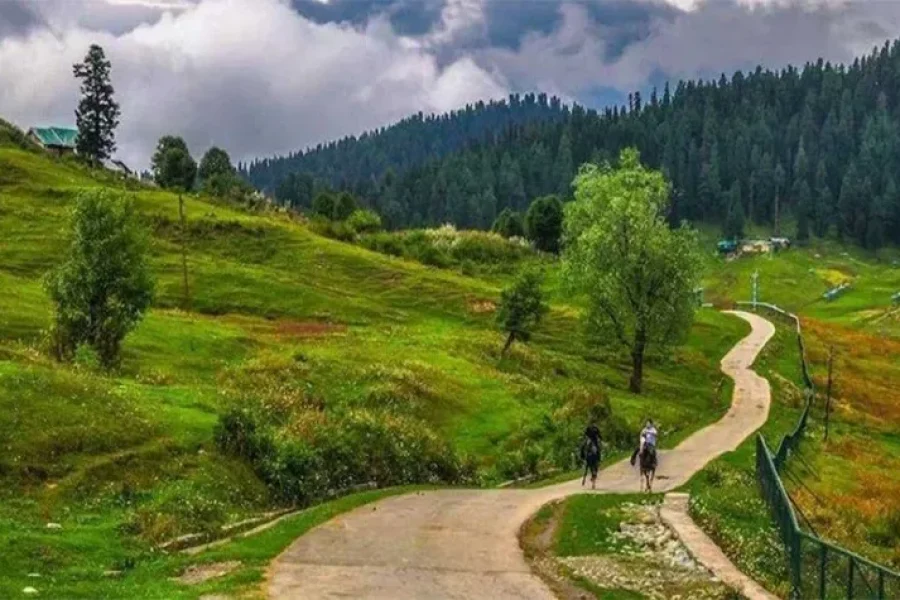
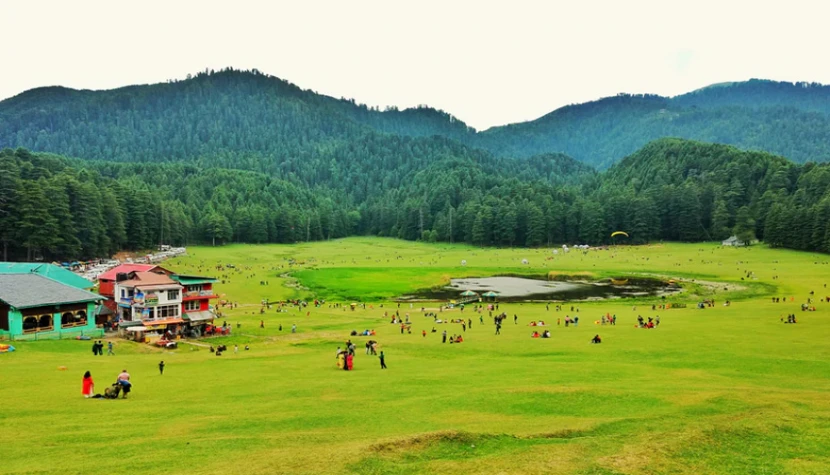
After breakfast, drive to visit the following:- PANCHPULA : Panchpula, a beautiful spot, is barely 3 kms. from G.P.O. On the way to Panchpula is Satdhara springs gurgling with refreshing water, believed to contain some medicinal properties. Panchpula stream is the main source of water supply to Dalhousie and Bahloon. The stream springs from the north side of DayanKund and runs down a picturesque ravine to the waterworks of Panchpula. There is an elegant monument erected at Panchpula where several streams meet at one point. This monument, a samadhi, was built in memory of great revolutionary Sardar Ajit Singh who breathed his last in Panchpula. There is a Tourism restaurant and several chai shops in Panchpula, that offer hot and cold beverages and snacks. SUBHASH BAOLI : Just approximately 1 km from G.P.O. is a charming natural spot called Subhash Baoli. Neta ji Subhash Chander Bose during his 7 months sojourn in Dalhousie in 1937 is believed to have spent most of his days by the side of this water body, meditating amidst dense woods of Cedar and meeting his party workers. This place lies on the G.P.O. - Jandri Ghat Road. A canopy with seating facilities has been created by the local administration at this place. St.John's Church, St. Francis Church. Later drive to take an excursion to Khajjiar:-KHAJJAR 20 kms from Dalhousie popularly known as the mini Swiss for its snow capped mountains and pine trees.A little golden-spired temple of Khajji Nag belonging to the 12th century and a picturesque golf course adds to the exquisite beauty of this pretty spot ) . Enjoy the greenery, take a horse ride. Return back to the Hotel. Overnight stay at the Hotel.
After breakfast, check-out from the hotel and drive to Dharamshala. Upon arrival transfer to the hotel. Later drive to visit Dharamshala- which stands on a spur of the Dhauladhar range amidst magnificent deodar and pine forests, tea gardens and beautiful hills. It is also known as 'The Lhasa in India'. Later drive to visit MCLEODGANJ :- The arrival of the Tibetan spiritual leader, the Dalai Lama, along with thousands of refugees to Dharamshala in 1959 made life here more active. As Dharamshala became the headquarters of the Tibetan Government in exile, headed by the Dalai Lama, it gained prominence all over the world and prominent personalities started arriving here. Mcleadganj emerged as a major Buddhist centre. ST.JOHN'S CHURCH : ( 8 km. from Dharamshala town ) The church lies in the forest between McleodGanj and Forsyth Ganj. It. The Church has lovely spotted glass windows and there is a Christian cemetery around it. It is ideally situated in the majestic 'Deodar' forest. Return back to the Hotel. Overnight stay at the Hotel.
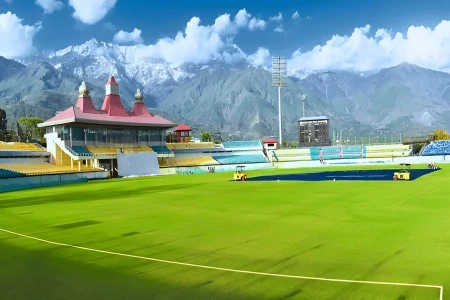
After breakfast, later, drive to visit Naddi Dal Lake, Bhagsu Nag Temple & fall, Tibetan Monastery, Dalai Lama Temple complex, War Memorial, Kangra Art Museum, Cricket stadium and Norbulingka Institute. Return back to the Hotel. Overnight stay at the Hotel.
After breakfast, check-out from the hotel and drive to Amritsar. Upon arrival transfer to the hotel. Evening visit Wagah Border - Located at a distance of 28 kilometers from Amritsar. It is the only border crossing between India and Pakistan. It is an army outpost to prevent check intrusion from Pakistan and prevents any Indian from going to Pakistan. Special buses and taxes from Amritsar take the tourists to Wagah Border. At the border outpost there is a complex of buildings, roads and barriers on both sides. At the entrance of this outpost, there is a sightseeing gate with an inscription "Swarna Jayanti". From this a panoramic view of the landscape is seen. There are electrified fences with 66,000 volts of electric current. Return back to the Hotel. Overnight stay at the Hotel.
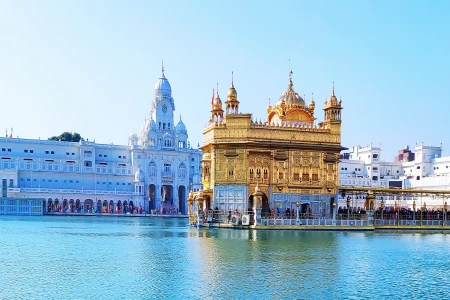
After breakfast,check-out from the hotel and later drive to visit:-Golden Temple - Also called Sri Harmandir Sahib, the most visited tourist attraction of Amritsar. The Golden Temple was laid by Guru Ram Das in the 14th century. The Golden Temple, situated in Amritsar, Punjab, is the most sacred temple for Sikhs. It is acclaimed as one of the holiest sites of the Sikhs. It has four doorways and gorgeously decorated arches. Reflecting influences of both Hindu and Muslim styles of architecture, the temple standing in the middle of a tank, exudes tremendous architectural brilliance which draws the attention of numerous tourists around the globe. Although principally a pilgrimage spot for the Sikhs, it is visited by people of all religions and proves to be one of the greatest tourist attractions in Amritsar on your tour to India. After that proceed to visit Jallianwala Bagh - Is a peaceful park with picnicking families and college kids, but move to a section of the wall which still has visible bullet marks, and you will be reminded of one of the most horrific events in colonial Indian history. When the Rowlatt Act (1919), which gave the British the power to arrest and imprison Indians without a trial if suspected of sedition, was imposed on Indians it was severely criticised and regular hartals (strikes) were organised to protest the law. Then Lieutenant Governor of Punjab, Sir Michael O' Dwyer, arrested an Indian leader causing great unrest among the people. On April 13,1919 (also the festival of Baisakhi) around 10,000 people gathered at the Jallianwala Bagh to peacefully protest the new law. General Dyer had been called to Amritsar to return the city to order. He arrived at the Bagh with 150-armed soldiers, ordered the crowd to disperse and two minutes later inhumanly commanded his troops to open fire. The square was surrounded by high walls and the soldiers had blocked the only entrance (and exit) to the compound. The firing (1650 rounds) continued for about 15 minutes and people were shot as they tried to jump the wall while others drowned after they jumped into the well to escape the relentless onslaught of bullets, most of which found their mark. About 400 people (including children) died while 1500 were left wounded. Though there was an international outcry over this horrific uncalled-for massacre neither Dyer nor O'Dwyer was ever charged with any crime. In response to this massacre, Nobel laureate Rabindranath Tagore returned his knighthood and Gandhi began his program of civil disobedience announcing that 'co-operation in any shape or form with this satanic government is sinful'. In 1997 Queen Elizabeth II visited Jallianwala Bagh and though she laid a wreath on the memorial to the victims no official apology was made. Jallianwala Bagh is a five-minute walk from the Golden Temple. The stone well has been preserved as a monument to the victims (120 bodies were recovered from the well) and the "flame of liberty," a 45 foot flame-shaped red sandstone pillar set in a pool, was built in 1961 as a memorial. The park is open from 6 am to 7 pm in summer and 7 am to 6 pm in winter. The Martyr's Gallery, which features portraits of heroes involved in the incident, is open from 9 am to 5 pm in summer and 10 am to 4 pm in winter. Later check-out from the hotel and later drive to Amritsar Airport to depart the journey. Tour Ends..

Member Since 2026




Another exciting adventure with Exodus